
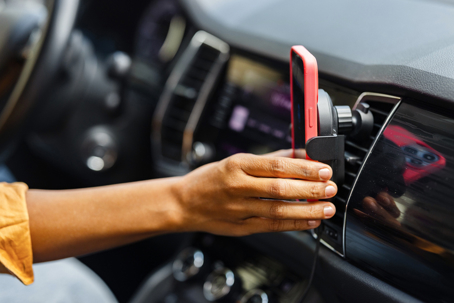
The Growing Debate Around Hands-Free Driving Technology
Hands-free technology has become part of everyday driving for millions of people. Bluetooth phone calls, voice-to-text systems, dashboard touchscreens, smart assistants, and in-vehicle communication systems are now common features in modern vehicles.
Many drivers assume that if they are not physically holding a phone, they are driving safely.
But accident investigations and injury claims continue to raise important questions about whether hands-free technology actually reduces driver distraction.
While hands-free devices may eliminate some physical distractions, they do not necessarily eliminate cognitive distractions. Drivers can still lose focus on traffic, road conditions, and surrounding vehicles while interacting with technology.
As a result, hands-free systems are increasingly becoming part of accident investigations and personal injury claims.
Hands-Free Does Not Always Mean Risk-Free
Many drivers associate distracted driving only with texting or phone use. However, distraction can happen in several different ways.
Safety experts generally divide distraction into three categories:
- Visual distraction
- Manual distraction
- Cognitive distraction
Hands-free technology may reduce manual distraction because drivers can keep their hands on the steering wheel. In some situations, it may also reduce visual distraction.
However, cognitive distraction can still remain.
A driver engaged in a stressful phone conversation, navigating complicated voice prompts, or attempting to dictate messages may still lose focus on the road.
Even a few seconds of reduced attention can increase the risk of a serious crash.
Drivers may fail to notice:
- Sudden braking ahead
- Lane changes
- Pedestrians
- Motorcycles
- Construction zones
- Traffic signals
- Emergency vehicles
In busy traffic conditions throughout Indiana, even minor lapses in attention can quickly lead to accidents.
Modern Vehicles Include More Distractions Than Ever Before
Many newer vehicles now contain large digital screens and advanced infotainment systems.
Drivers can adjust navigation settings, stream music, answer calls, send messages, and access apps directly through their dashboard.
Although these systems are marketed as convenient and safer alternatives to handheld phone use, they can still divert attention away from driving.
Some systems require drivers to navigate multiple menus, read information from screens, or repeat voice commands while driving.
In certain situations, these distractions may contribute to rear-end collisions, lane departure accidents, intersection crashes, or highway accidents.
Commercial drivers can face additional risks.
Truck drivers, rideshare drivers, and delivery drivers often rely heavily on communication devices and navigation systems throughout the workday. The constant use of technology in a moving vehicle may increase the risk of distraction during long shifts or heavy traffic.
How Hands-Free Technology Appears in Accident Claims
After an accident, insurance companies and attorneys often investigate whether distraction played a role in the crash.
Even when a driver was technically using a hands-free system, evidence may still reveal that technology use contributed to reduced attention.
Investigators may review:
- Phone records
- Bluetooth connection data
- Vehicle infotainment system records
- Dashboard camera footage
- Witness statements
- Traffic camera footage
- GPS activity
- Timing of calls or messages
For example, if a driver was engaged in a lengthy phone conversation moments before a collision, investigators may examine whether cognitive distraction affected reaction time.
Similarly, if a driver was attempting to enter navigation information or interact with a touchscreen system before a crash, those actions may become relevant during a personal injury claim.
Distracted Driving Laws Continue to Evolve
Many states have passed laws limiting the use of handheld phones while driving. However, hands-free technology often remains legally permitted.
That does not mean a driver cannot still be considered negligent.
Drivers are expected to operate vehicles safely under existing road and traffic conditions. If a driver becomes distracted by any activity inside the vehicle, that distraction may still become part of a liability investigation.
In other words, a driver does not automatically avoid responsibility simply because the device was technically “hands-free.”
Courts and insurance companies often focus on overall driver behavior rather than just whether the phone was physically held.
Why Motorcycle and Truck Accident Cases Can Be Especially Serious
Hands-free distraction may become particularly dangerous in motorcycle and truck accident cases.
Motorcycles are smaller and more difficult for distracted drivers to notice, especially during lane changes and at intersections.
A driver focused on a phone conversation or voice command may overlook a nearby rider entirely.
Truck accidents can also involve devastating consequences.
Commercial vehicles require longer stopping distances and greater attention during lane changes, merging, and in heavy traffic. Even a brief distraction inside a commercial truck can result in catastrophic injuries to surrounding drivers.
Because of the severity of these accidents, investigators often examine all possible contributing factors, including in-vehicle technology use.
Protecting Yourself After a Distracted Driving Accident
If you were injured in an accident involving a distracted driver, documentation can become extremely important.
Photographs, witness statements, police reports, and available digital records may all help establish what happened before the collision.
In some situations, attorneys may work to preserve phone records, vehicle data, or other electronic evidence relevant to the crash.
It is also important to seek medical attention promptly after any accident.
Some injuries, including concussions, soft tissue injuries, and internal injuries, may not fully appear immediately after the crash.
Contact Alvarez Law Offices After a Serious Accident
Distracted driving cases involving hands-free technology can involve complicated questions about driver attention, negligence, and electronic evidence.
Alvarez Law Offices helps injured individuals and families pursue compensation after serious car, truck, and motorcycle accidents throughout Indiana.
If you were injured in a crash involving distracted driving or technology-related negligence, contact Alvarez Law Offices today at (219) 300-5204 to discuss your legal options.