
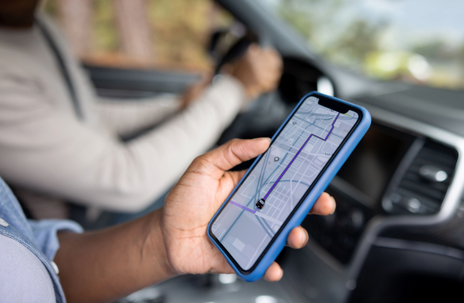
When Navigation Technology Leads Drivers Into Unsafe Situations
GPS navigation apps have changed the way people travel. Whether someone is commuting to work, driving through unfamiliar towns, or trying to avoid construction traffic, many drivers rely on navigation apps every single day. Most people assume these apps are designed to provide the safest and fastest route possible.
But what happens when a GPS app directs a driver onto a dangerous road and an accident occurs?
Drivers throughout Indiana and across the country have reported situations where navigation systems directed them toward flooded roads, poorly maintained streets, unsafe railroad crossings, dead-end roads, construction zones, or roads not intended for passenger vehicles. In some cases, these situations lead to serious crashes and severe injuries.
After an accident, many injured drivers wonder whether the GPS company can be held responsible or whether the accident is the driver’s sole responsibility.
The answer depends on several legal factors.
Can a GPS App Be Held Legally Responsible for an Accident?
In most cases, drivers are still expected to use reasonable judgment behind the wheel, even when following navigation instructions. GPS apps are generally considered tools that assist drivers rather than systems that fully control the vehicle.
That means if a navigation app directs someone toward a dangerous road, the driver may still be expected to recognize obvious hazards and make safe decisions.
For example, if a road is visibly flooded, blocked off, or marked with warning signs, a driver who continues forward may still be considered partially responsible for the accident.
However, there are situations in which questions of liability become more complicated.
If a navigation system repeatedly directs drivers into dangerous conditions because of outdated mapping information, missing safety data, or known routing errors, investigators and attorneys may examine whether another party contributed to the crash.
Potentially involved parties could include:
- GPS app companies
- Mapping data providers
- Construction contractors
- Government entities responsible for road maintenance
- Property owners
- Other negligent drivers
Every case depends on the specific facts surrounding the crash.
Dangerous Roads Can Create Serious Injury Risks
Navigation-related accidents can happen in several ways.
Some crashes occur because drivers unexpectedly encounter narrow roads, sharp turns, poor visibility, or damaged pavement. Others happen when drivers make sudden lane changes or abrupt turns after realizing the app directed them incorrectly.
Indiana drivers may also face seasonal hazards that increase the danger of navigation errors.
During summer storms and heavy rainfall, certain roads can flood quickly. In rural or less developed areas, GPS systems may route drivers onto gravel roads, poorly maintained roads, or roads with limited lighting.
Winter weather can create additional dangers when apps suggest shortcuts that have not been properly cleared or treated.
Truck drivers and commercial vehicle operators may face even greater risks. Some roads may have low bridges, weight restrictions, or unsafe conditions for large vehicles. A wrong turn involving a commercial truck can result in catastrophic accidents.
What Happens During an Investigation?
After a crash involving navigation-related issues, investigators typically focus on multiple factors.
Insurance companies, attorneys, and accident reconstruction experts may review:
- GPS route history
- Phone records
- Traffic camera footage
- Vehicle damage
- Road conditions
- Weather reports
- Construction zone warnings
- Warning signs near the scene
- Driver behavior before the crash
One major question is whether the road hazard was obvious enough that a reasonable driver should have avoided it.
Another important issue is whether another party failed to properly warn drivers about dangerous conditions.
For example, if a construction company failed to place proper warning signs near a closed roadway, that failure could become relevant during a personal injury claim.
Similarly, if a local agency knew about hazardous road conditions but failed to address them within a reasonable timeframe, additional legal questions may arise.
Insurance Companies May Still Try to Shift Blame
Even when road conditions or navigation errors contributed to the accident, insurance companies often try to place as much of the blame as possible on the injured driver.
Adjusters may argue that:
- The driver should have ignored the GPS instructions
- The driver was distracted by the app
- The driver failed to pay attention to road signs
- The driver was traveling too fast for conditions
- The driver made unsafe decisions behind the wheel
Because of this, evidence becomes extremely important after any crash involving navigation issues.
Photographs of the road, screenshots of GPS directions, witness statements, and weather conditions may all be valuable evidence.
In some situations, digital records showing the route the app suggested may help support the injured driver’s account of what happened.
Why These Cases Can Become Legally Complex
Accidents involving navigation apps often involve overlapping issues related to driver responsibility, roadway safety, technology, and negligence.
Unlike a typical rear-end collision, these cases may involve multiple parties and technical evidence.
Technology companies often include user agreements stating that drivers are responsible for operating vehicles safely, regardless of navigation instructions. While those agreements may offer certain legal protections, they do not automatically eliminate every potential claim.
At the same time, roadway hazards themselves may raise separate legal concerns.
If poor maintenance, missing signs, dangerous construction zones, or known hazards contributed to the accident, liability may extend beyond the driver alone.
Because every situation is different, these cases require careful investigation and documentation.
Protecting Yourself After a Navigation-Related Crash
If you are involved in an accident after following GPS directions, there are several important steps to take.
Seek medical attention immediately, even if injuries seem minor at first.
If possible, document the scene thoroughly. Take photographs of road conditions, warning signs, traffic patterns, standing water, construction areas, or anything else that may have contributed to the crash.
If the navigation app displayed unusual or unsafe directions, preserve screenshots or route information whenever possible.
Avoid making assumptions about fault before all facts are reviewed.
Insurance companies often begin evaluating claims immediately after an accident, and early statements can affect the outcome of a case.
Contact Alvarez Law Offices After a Serious Accident
A crash involving dangerous road conditions or navigation-related issues can quickly become complicated. Determining what caused the accident and who may be responsible often requires a detailed investigation.
Alvarez Law Offices helps injured drivers understand their legal options after serious accidents involving unsafe roads, distracted driving, commercial vehicles, and complex liability issues.
If you or a loved one was injured in a crash, contact Alvarez Law Offices today at (219) 300-5204 to discuss your situation and learn more about your potential legal rights.